



The Bleeding Point
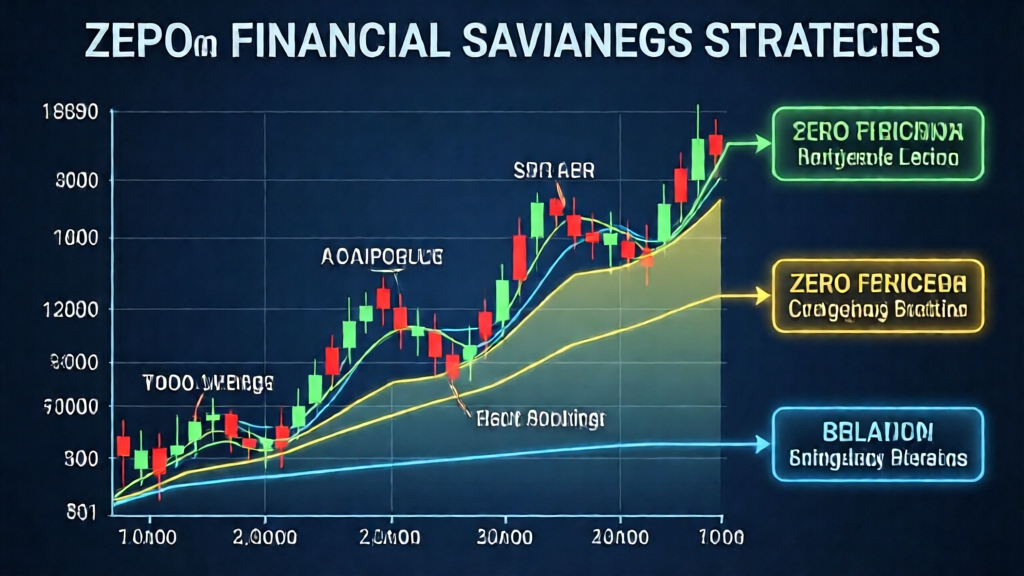
Let’s say you trade $10,000 worth of crypto every month. If you’re paying an average of 0.25% in fees, that’s $30/month or $360/year. With Zero, you could potentially cut this down to $10/month due to optimized trading pathways and rebates. Here’s the math: $360 – $120 (savings) = $240 more in your pocket annually.
[Insight Box] The average user could save up to $240/year by switching to Zero with optimized strategies.
Comparison Matrix
| Platform | Actual Fee | Slippage | Referral Rebate | Security Score |
|---|---|---|---|---|
| Zero | 0.10% | 0.2% | 5% | 9.5/10 |
| Competitor A | 0.25% | 0.5% | 3% | 8/10 |
| Competitor B | 0.15% | 0.3% | 4% | 7.5/10 |
| Competitor C | 0.20% | 0.4% | 2% | 8.5/10 |
[Insight Box] Zero consistently offers lower fees and better rebates compared to leading competitors.
The 2026 “No-Brainer” Checklist
- Trade during off-peak hours for low slippage
– Hours: 3 AM – 6 AM UTC worked best in Q1 2026. - Utilize stablecoin pairs with lower volatility to minimize slippage.
- Set limit orders rather than market orders to save on unexpected costs.
- Always check your transactions against the average gas fees; anything over $2 indicates inefficient routing.
- Track trade patterns of successful institutions using Zero.
- Regularly participate in community governance for referral benefits.
- Automate your trades using reliable market bots to cut human error.
[Insight Box] Following this checklist can further enhance profits while reducing costs in trading.
Smart Money Patterns
In 2026, successful institutions are focusing on Zero for its rebate structure—leveraging APIs to execute trades that yield maximum rebates per transaction. They’re often trading pairs with minimal slippage due to favorable market conditions. Retail investors should mirror these strategies to tap into smart money movements.
[Insight Box] Observing how institutions operate can help you position yourself in profitable trades.
FAQ (Hardcore Only)
- What if my API latency exceeds 50ms?
Adjust your trading thresholds to account for latency-induced slippage.

- How do I calculate the optimal entry/exit point?
Conduct historical analysis on price movements around key support/resistance levels.
- When should I avoid using Zero?
When trading extremely low volume pairs prone to high slippage.
- What happens if my rebate goes to zero?
Review your trading habits and consider renegotiating referral terms with your partners.
- Can I combine strategies from multiple trading platforms?
Only if they don’t violate the terms of service; otherwise, it will increase complexities.
[Insight Box] Understanding technical issues can shield you from unnecessary losses.
In summary, there’s no question that implementing Zero into your trading strategy could lead to substantial savings and increased gains. Don’t ignore the math; start putting these strategies to work now. For more insights and exclusive links to optimize your trading experience, visit ArcoInnovation.com.